
Amid the rapid digital transformation in Indonesia's banking sector, customers are no longer just demanding competitive financial products. They expect a seamless, fast, and pleasant experience when interacting with their bank. Imagine a bank customer coming to a branch to open an account or apply for a loan. Instead of being served quickly, they must wait in a long queue for over an hour. The frustration that arises is not just about wasted time, but also about feeling undervalued. Experiences like this directly damage Customer Trust and can cause customers to switch to competitors.
This is where the role of a Queue Management System becomes crucial. By implementing smart queue solutions, banks not only reduce waiting times but also create a consistent and positive Customer Experience at every branch. Modern queue systems enable banks to efficiently manage customer flow, provide waiting time transparency, and ensure every customer feels valued from the moment they step into the branch.
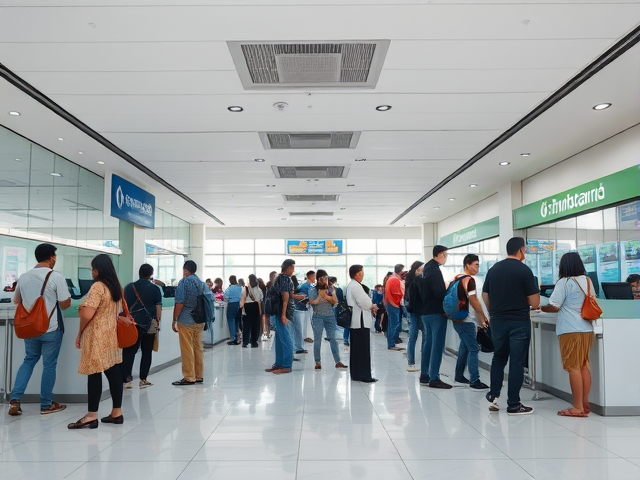
Banks in Indonesia face unique challenges in managing branch queues. With a continuously growing customer base and increasingly high service expectations, long waiting times at counters have become a serious issue. Studies show that bank customers in Indonesia spend an average of 20 to 45 minutes just waiting to be served — far exceeding the general tolerance threshold of around 5 to 10 minutes before frustration sets in.
The impact is very real: customers who experience excessive waiting times tend to leave the branch without completing their transactions, leave negative reviews, and ultimately switch to digital banks or competitors offering faster service. For banks, this means lost revenue, declining customer loyalty, and reputational damage that is difficult to repair. The solution is not simply adding more counters, but optimizing the entire queuing process with smart technology.
Queue Solution Options That Can Be Implemented at Banks
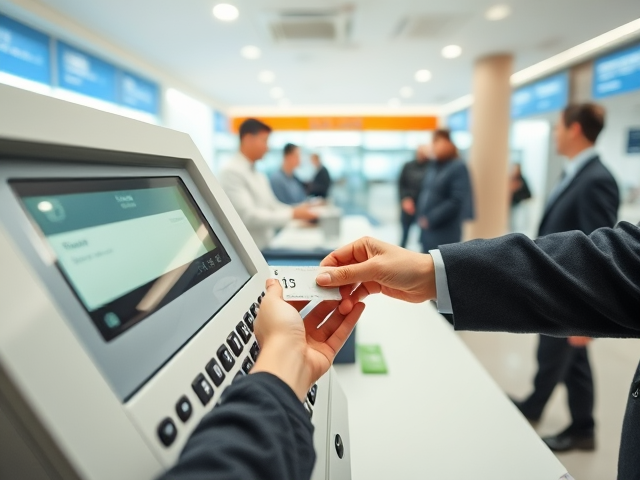
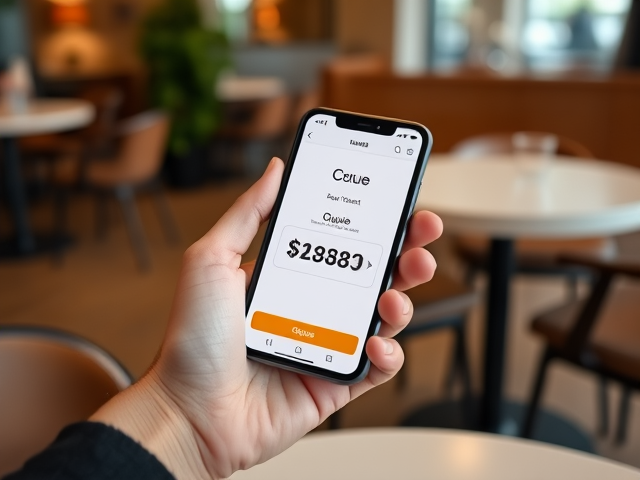
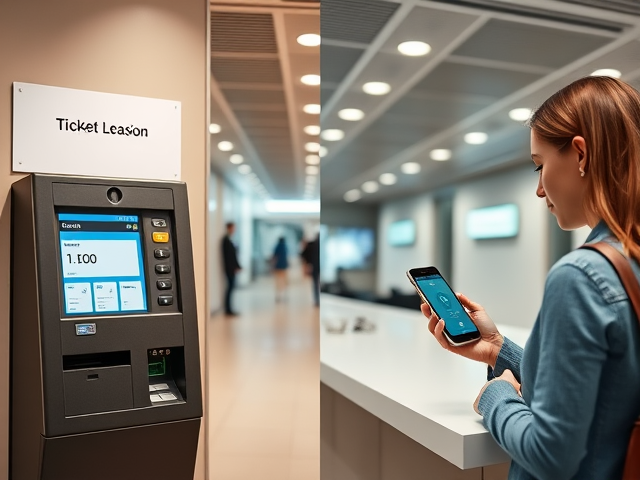

Waiting time is the most critical factor in determining the Customer Experience at a bank branch. Research shows that bank customers in Indonesia have a waiting time tolerance of around 5 to 10 minutes. Beyond this threshold, satisfaction levels drop dramatically and the risk of customers leaving the branch increases significantly. With a Smart Queue System, banks can optimize teller allocation, manage service priorities, and ensure every transaction is processed within the expected timeframe.
Smart queue systems use automatic scheduling algorithms to distribute customers evenly across available counters. This prevents queues from piling up at one specific counter while others remain idle. As a result, average waiting times can be reduced by 60 to 70 percent, which directly increases customer satisfaction and strengthens their loyalty to the bank.
For banks operating in major cities such as Jakarta, Surabaya, and Bandung — where customer density is very high — reducing waiting times is not just an operational improvement but a strategic necessity to maintain a competitive Customer Experience in an increasingly competitive banking landscape.
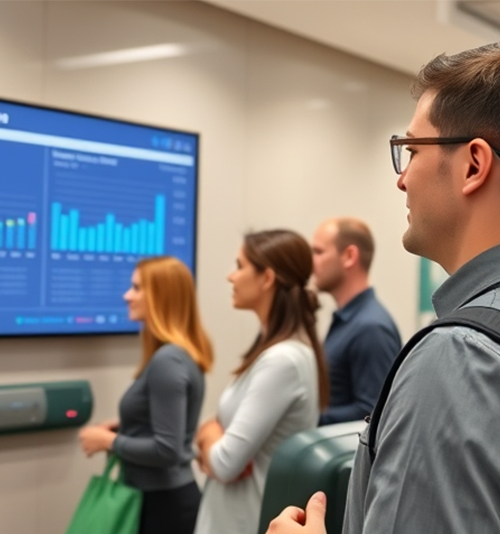
Communication is key to building a positive Customer Experience. When customers are waiting at a bank branch, uncertainty about their queue position and estimated waiting time creates anxiety and frustration. Modern Queue Management Systems eliminate this uncertainty by providing customers with real-time information through various channels.
Imagine a customer receiving a WhatsApp notification about their queue position, estimated waiting time, and an announcement when their turn is almost due. This level of transparency makes a significant impact:
By integrating real-time communication into the queue system, banks are not just managing queues — they are also creating a Customer Experience that feels personal, transparent, and professional at every point of interaction.
At busy bank branches, managing customer density has become a complex operational challenge. Without the right system, queues can pile up in the lobby area, creating an unprofessional and uncomfortable impression. Smart Queue Management Systems help banks proactively manage crowd density by distributing customers evenly and preventing congestion in specific areas.
Efficient crowd management is not just about logistics — it is about creating a positive branch experience. With a Smart Queue System, banks can ensure every customer is served quickly, in an orderly manner, and professionally, forming the primary foundation of a superior Customer Experience in Indonesia's banking industry.

In Indonesia's increasingly competitive banking industry, service quality is no longer just a differentiator — it is a necessity. A consistent, high-quality Customer Experience is the deciding factor in retaining and attracting new customers. Queue Management Systems play a central role in achieving high service standards at every branch.
Excellent service is an ongoing journey of understanding and responding to customer needs. Implementing a robust Queue Management System is a strategic step in that journey, ensuring every interaction at the bank branch contributes to a consistent and memorable Customer Experience.
Bank staff at branches facing long queues every day experience significant pressure. Frustrated customers often vent their frustration on staff, creating a highly stressful work environment. Imagine these kinds of interactions happening 10 to 20 times a day. This emotional burden not only lowers morale but also increases staff turnover rates.
When staff constantly face dissatisfied customers, motivation and service quality decline. It is difficult for staff to deliver their best when they are tired and frustrated themselves. This is where a Smart Queue System makes a significant difference. By efficiently managing queues and providing customers with transparent information, much of this stress can be eliminated.
Smart queue systems like those offered by QueueBee help banks allocate staff optimally based on real-time queue volume. The system can identify which counters need additional support and automatically instruct tellers to redirect. This ensures no counter is overwhelmed while others sit idle.
And when staff no longer constantly deal with customer frustration over long queues, they can focus on what they do best: delivering outstanding service. They can give more attention to each customer, answer questions patiently, and build more personal relationships — boosting not only staff morale but overall service quality as well.
In the banking industry, operational inefficiency directly impacts profitability. Poorly managed queues cause customers to leave branches before completing their transactions, resulting in lost potential revenue. Studies show that banks in Indonesia lose millions of rupiah every day simply because customers abandon transactions due to long waiting times.
Here's How QueueBee's Smart Queue Management System Makes a Difference:
The impact of a system like QueueBee can be substantial. By improving productivity and operational efficiency, banks can reduce operational costs by 30 to 40 percent. Imagine if savings from reduced waiting times and increased transactions were replicated across an entire bank branch network in Indonesia — the potential for cost savings and revenue growth is highly significant for long-term development.
QueueBee's Smart Queue System doesn't just manage queues — it also provides comprehensive data about the entire customer journey at a bank branch. This data forms the foundation for smarter and more strategic decision-making to improve Customer Experience.

With a Smart Queue System, banks are not just reacting to queuing problems — they are proactively shaping a superior Customer Experience through data. These insights become a competitive advantage that is difficult to replicate by competitors still relying on manual queuing methods.
Banking in Indonesia is undergoing rapid digital transformation. Customers increasingly expect a seamless experience between digital services and branch services. Modern Queue Management Systems must be able to integrate with banks' digital platforms to create a truly unified Customer Experience.
QueueBee provides a fully integrated queue ecosystem with mobile banking, customer apps, and bank digital portals. Customers can join a queue from home through their bank's mobile app, select a suitable arrival time, and arrive at the branch just when their turn is due. At the branch, the automatic queue system confirms their presence and directs them to the correct counter — the entire process occurring without needing a physical ticket or random waiting.
This integration creates a seamless Customer Experience: customers feel personally served, their time is valued, and every branch interaction feels efficient and professional. This is the new standard that banks in Indonesia must achieve to remain relevant and competitive in the digital banking era.
Ready to transform the way your bank manages queues and serves customers? Discover how QueueBee's Queue Management System can reduce branch waiting times, improve operational efficiency, and create a superior Customer Experience across your bank's entire network. Contact us today for a solution tailored to your bank's needs.